Land Clearing Experts: Setting Up Your Property for New Beginnings
Land clearing operations are crucial for turning neglected or cluttered properties into functional spaces for development. These experts carefully eliminate barriers, guaranteeing a solid groundwork for upcoming projects. With a comprehensive grasp of site inspections and environmental requirements, they strengthen both safety and accessibility. However, choosing the right service can be complex, and understanding the process is essential. What factors should landowners evaluate before embarking on this endeavor?
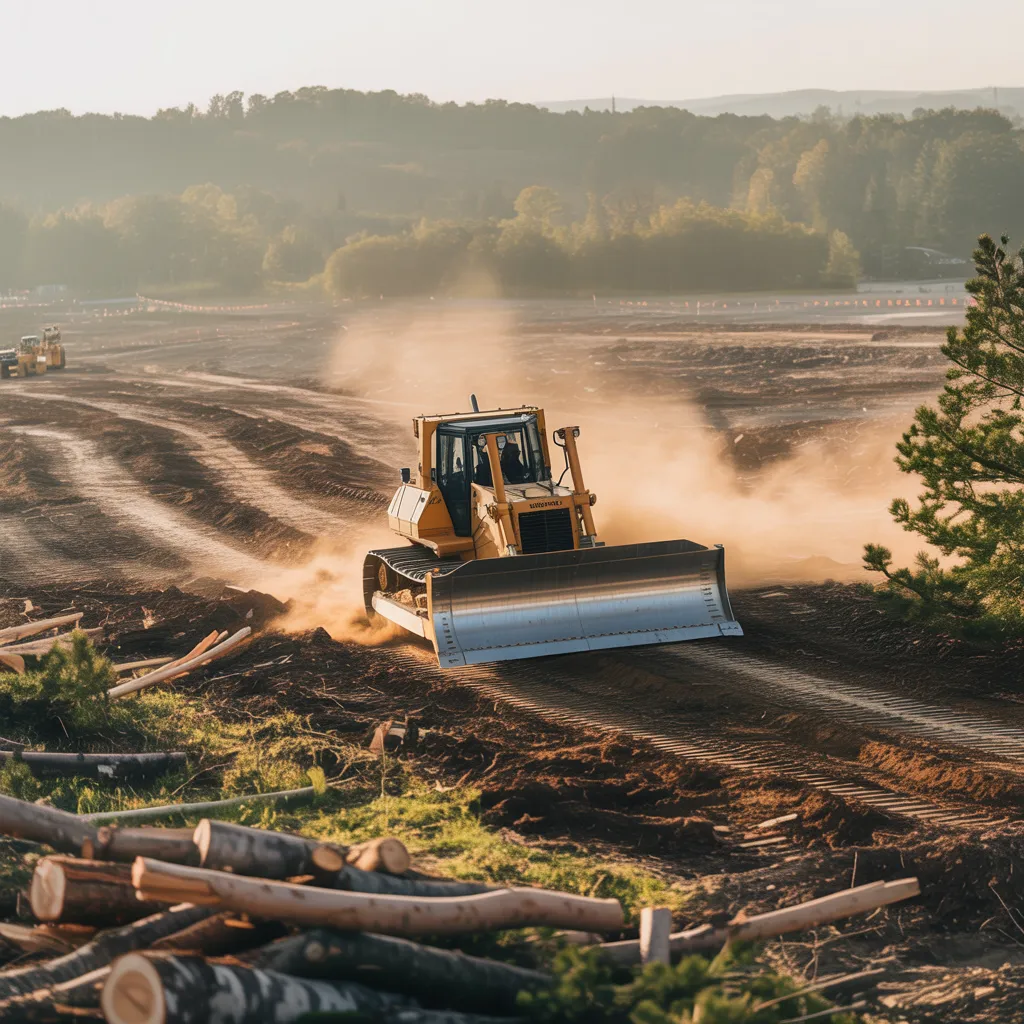
How Land Clearing Impacts Your Property Development Journey
Land clearing initiates a pivotal stage in a property development project by preparing the site for future construction. This critical initial step requires the removal of obstacles such as trees, shrubs, and debris, creating a clean slate for builders and architects. By forming a clean and level foundation, land clearing boosts overall accessibility, facilitating the smooth flow of machinery and materials.
Moreover, it establishes the foundation for thorough planning and development, as planners can better understand the layout and orientation of buildings more clearly. The process also assists with pinpointing potential environmental issues, such as drainage issues or soil quality, allowing for preventive measures.
In addition, land clearing can boost overall safety by minimizing hazards associated with dense vegetation and uneven terrain. At its core, this impactful process not only accelerates construction but also fosters a well-planned and systematic approach to real estate development, paving the way for new opportunities.
Steps Involved in the Land Clearing Process
Preparing a site encompasses several key steps that guarantee an effective and streamlined process. Initially, a thorough site assessment is conducted to identify obstacles such as rocks, trees, and plant growth. This inspection shapes the preparation stage, where clearance plans are formulated, taking into account environmental guidelines and possible effects.
Additionally, landowners may need to obtain necessary permits, ensuring adherence to local regulations. Upon gaining authorization to continue, large machinery, such as bulldozers and excavators, is deployed to eliminate vegetation and unwanted debris. Throughout this stage, careful attention is given to minimize soil disturbance and protect surrounding areas.
Subsequent to the elimination, the area is subjected to leveling to achieve a level foundation, setting up it for future construction or landscaping. To conclude, waste material is handled in an eco-friendly manner, frequently utilizing composting or recycling, rendering the site set for new possibilities. All steps are vital to guarantee a seamless land preparation project.
How to Select the Top Land Clearing Company for You
Choosing the best land clearing company demands careful evaluation to ensure the project fulfills both standards and regulations. To begin, potential prospects should assess the contractor's experience and proficiency in handling similar projects. A seasoned firm with a strong performance record is frequently more dependable.
Furthermore, it is crucial to check that the company maintains the proper certifications and coverage, safeguarding both the client and the property throughout the clearing process. Additionally, reviewing client reviews and testimonials can supply valuable information into the company's track record and quality of work.
Cost assessments are also crucial, as they should be transparent and detailed, detailing all anticipated expenditures. Customers should request several bids to confirm they receive fair pricing. Additionally, strong communication plays a vital role; a professional contractor will respond to questions and concerns quickly, encouraging a cooperative and supportive dynamic. Taken as a whole, these elements guide clients toward choosing the right land clearing contractor for their unique situation.
Sustainable Practices in Land Clearing
Incorporating eco-friendly methods in land clearing is crucial for minimizing environmental impact and fostering environmental harmony. Businesses dedicated to eco-friendly operations utilize methods that prevent soil displacement, preserve native vegetation, and protect local wildlife habitats. Approaches including precision clearing enable the elimination of designated plants and vegetation, reducing disruption to the ecosystem.
Moreover, using modern machinery designed for reduced-impact procedures aids in reducing compaction of soil and deterioration of surrounding flora. After clearing, approaches including reforestation and planting cover crops can restore the land, boosting biodiversity and the overall health of the helpful resource soil.
Additionally, incorporating recycling practices, such as converting cleared vegetation into mulch, compost, or biofuel, advances a closed-loop economy. By emphasizing these eco-friendly methods, professional land clearing services can confirm that future development aligns with environmental stewardship, cultivating a healthier and more vibrant landscape for future generations.
Steps to Prepare Your Land for Future Projects
Before starting any construction or landscaping project, thorough land preparation is vital to securing a positive outcome. To begin, it is necessary to evaluate the terrain's topography, soil composition, and drainage characteristics. This evaluation allows for informed decisions regarding fitting plant life, structures, or further developments. Eliminating debris, stones, and unwanted plant growth from the site is critical, as it establishes a fresh foundation for upcoming work.
Following this, soil tests should be performed to evaluate nutrient composition and pH readings, allowing for essential modifications to support vigorous plant development. Furthermore, defining the boundaries of the project aids in organizing the process efficiently and lowers the risk of disagreements in the future.
Ultimately, establishing a detailed blueprint that describes the project's overall timeline, scope, and budget is critical. This organized approach not only sets clear expectations but also serves as a roadmap for all participating parties, ensuring efficient progress toward reaching the intended objectives.
Why Choose Professionals for Your Land Clearing Needs?
Employing professionals for land clearing ensures access to advanced proficiency in the operation and maintenance of equipment. Their familiarity with safety protocols and compliance standards mitigates the risks involved in the site clearing process. Consequently, this professional methodology improves efficiency while promoting a more secure working atmosphere.
Mastery In Equipment Use
Navigating the intricacies of land clearing necessitates expert knowledge and specialized tools, which is where professional services shine. Professionals possess in-depth experience in operating specialized equipment, such as excavators, bulldozers, and stump grinders. This proficiency ensures that jobs are finished thoroughly and efficiently, limiting harm to the nearby environment. Additionally, professionals are familiar with the most current methods, enabling them to handle challenging terrain and dense vegetation with skill. Their skill not only improves output but also reduces the risk of costly mistakes that can result from misuse of specialized tools. By enlisting professionals, landowners can rest assured that their land will be cleared safely and thoroughly, preparing the groundwork for future development or improvements.
Safety And Regulatory Standards
A comprehensive grasp of compliance and safety regulations is critical in land clearing endeavors, as it guarantees the protection of both workers and the environment. Land clearing professionals are prepared to adhere to local regulations and industry best practices, limiting dangers associated with hazardous materials, heavy machinery, and environmental degradation. They implement necessary safety measures, including the application of personal protective equipment (PPE) and carrying out risk assessments before starting operations. Compliance with regulations not only mitigates possible legal complications but also promotes responsible land stewardship. Hiring experts ensures that all procedures are performed effectively and safely, permitting property owners to concentrate on their goals without the burden of navigating complicated regulatory and safety requirements.
Common Questions and Answers
What Permits Are Necessary for Land Clearing Projects?
Permits required for land clearing projects commonly consist of environmental permits, grading permits, and in some cases local zoning approvals. Requirements vary depending on location, so reaching out to local authorities confirms compliance with all relevant legal requirements before initiating the project.
What Is the Typical Duration of the Land Clearing Process?
The land clearing procedure generally requires anywhere from one to several weeks, depending on factors such as the size of the area, the thickness of vegetation, and weather conditions. Every project is different, influencing the overall timeline considerably.
Can Land Clearing Improve Property Value?
Absolutely, land clearing is capable of improving property worth. By getting rid of barriers and improving the overall appearance, it renders the land more attractive to future purchasers, thereby enhancing marketability and overall worth of the land in the real estate market.
What Equipment Is Employed in Land Clearing?
Land clearing commonly utilizes tools such as chainsaws, bulldozers, excavators, and chippers. These machines effectively eliminate trees, brush, and debris, guaranteeing the land is suitable for future development or agricultural activities.
Do the Risks of DIY Land Clearing Outweigh the Benefits?
Indeed, DIY land clearing carries risks such as injury from heavy machinery, property damage, and harm to the surrounding environment. Moreover, using improper techniques may result in legal complications surrounding required permits and regulations, making the process even more complicated.