Property Clearing Services: Readying Your Land for New Potential
Land clearing services are vital for transforming overgrown or cluttered properties into viable spaces for development. These specialists diligently clear impediments, providing a reliable foundation for forthcoming developments. With a thorough knowledge of site evaluations and environmental guidelines, they improve both safety and usability. Yet, identifying the ideal service can be complicated, and comprehending the process is fundamental. What aspects should property holders examine before beginning this undertaking?
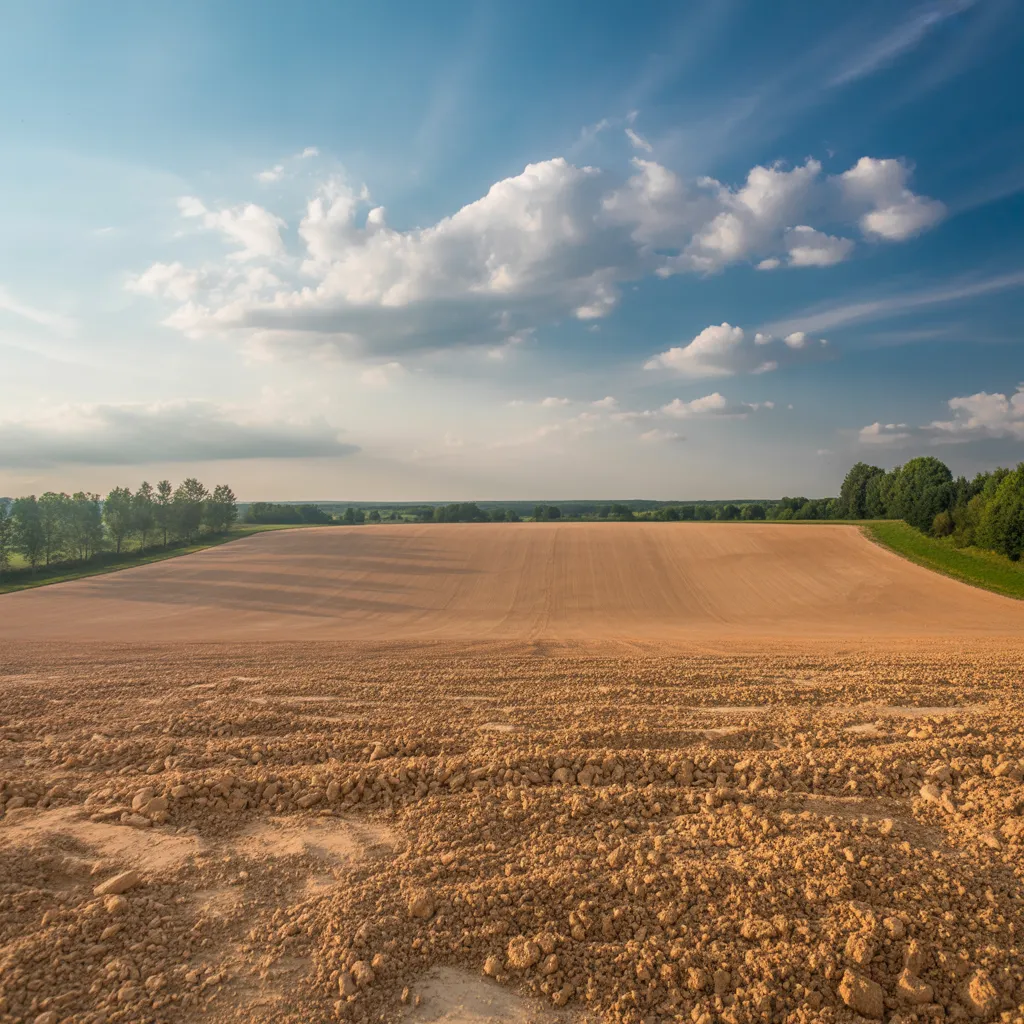
How Land Clearing Shapes Your Property Development Journey
Land clearing kickstarts the process of transforming a property development project by preparing the site for future construction. This essential first step requires the removal of obstacles such as trees, undergrowth, and debris, establishing a blank canvas for builders and architects. By establishing a clear and level surface, land clearing improves site accessibility, facilitating the smooth flow of machinery and materials.
Additionally, it lays the foundation for efficient planning and development, as planners can better understand the spatial layout of constructions more precisely. The approach also helps in detecting likely environmental challenges, such as issues with drainage or soil composition, facilitating forward-thinking solutions.
Moreover, land clearing can improve security by decreasing risks associated with excessive plant growth and hazardous ground conditions. At its core, this transformative action not only streamlines construction but also encourages a better coordinated and deliberate approach to real estate development, setting the stage for long-term growth.
Steps Required in the Land Clearing Process
Clearing a site involves multiple critical steps that secure an effective and streamlined process. At the outset, a comprehensive site evaluation is performed to pinpoint impediments like vegetation, rocks, and trees. This assessment informs the strategic phase, where clearance plans are formulated, accounting for ecological requirements and anticipated consequences.
Furthermore, property owners are often required to secure the appropriate permits, ensuring adherence to local regulations. Once cleared to proceed, heavy machinery, such as bulldozers and excavators, is employed to remove vegetation and debris. Throughout this stage, particular care is taken to reduce soil disruption and safeguard the neighboring environment.
Subsequent to the view information about elimination, the property goes through surface grading to form a level surface, readying it for upcoming development or landscaping. Lastly, waste material is handled in an eco-friendly manner, often through recycling or composting, making the site primed for new opportunities. Each phase is necessary to guarantee a successful land preparation project.
How to Select the Top Land Clearing Company for You
Picking the best land clearing service provider necessitates careful assessment to ensure the project meets both expectations and guidelines. Initially, potential customers should examine the firm's background and expertise in executing similar projects. A well-established contractor with a proven track record is frequently more trustworthy.
Next, it is important to check that the service provider possesses the appropriate licenses and insurance, safeguarding both the customer and the land throughout the clearing process. Furthermore, examining client reviews and testimonials can give useful information into the contractor's track record and quality of work.
Price estimates are equally important, as they should be open and thorough, detailing all anticipated expenditures. Property owners should obtain various estimates to ensure they are getting competitive rates. Finally, effective communication is essential; a responsive company will address questions and concerns promptly, encouraging a cooperative and supportive dynamic. Together, these considerations help identify the most suitable land clearing service for your particular requirements.
Sustainable Practices in Land Clearing
Incorporating environmentally responsible approaches in land clearing is essential for reducing ecological harm and promoting ecological balance. Businesses dedicated to eco-friendly operations utilize methods that minimize soil degradation, protect indigenous plant life, and protect local wildlife habitats. Approaches including precision clearing permit the extraction of particular trees and bushes, limiting interference with the natural habitat.
Additionally, employing contemporary machines designed for reduced-impact procedures works to limit disruption to the soil and harm to surrounding flora. Following the clearing process, methods such as reforestation and cover crop cultivation are able to rejuvenate the area, boosting biodiversity and the overall health of the soil.
Moreover, incorporating waste recycling, such as processing cleared vegetation into mulch or biofuel, contributes to a circular economy. By emphasizing these green approaches, land clearing companies can ensure that future construction and development is consistent with responsible environmental stewardship, promoting a healthier and more vibrant landscape for future generations.
Ways to Prepare Your Land for Upcoming Projects
Before initiating a construction or landscaping project, adequate land preparation is crucial to ensure a successful result. First and foremost, one should examine the terrain's topography, soil composition, and drainage characteristics. This evaluation allows for informed decisions regarding suitable vegetation, structures, or other developments. Clearing the land of debris, rocks, and unwanted vegetation is important, as it establishes a fresh foundation for upcoming work.
As a next step, soil analysis should be undertaken to assess nutrient concentrations and pH balance, making it possible to implement vital changes that foster robust plant health. In addition, clearly marking the project boundaries serves to simplify the workflow and reduces the likelihood of conflicts arising down the line.
To conclude, creating a well-structured strategy that specifies the project's timeline, scope, and budget is fundamental. This methodical framework not only sets clear expectations but also operates as a directional plan for all key contributors, ensuring efficient progress toward reaching the intended objectives.
The Reasons to Hire Professionals for Your Land Clearing Needs?
Bringing in professionals for land clearing guarantees access to professional skills in equipment handling and upkeep. Their knowledge of compliance standards and safety protocols reduces risks associated with the clearing operation. Ultimately, this expert methodology enhances efficiency and promotes a safer work environment.
Expertise In Equipment Use
Managing the complexities of land clearing demands professional expertise and advanced equipment, which is where expert services excel. Skilled contractors hold comprehensive training in operating heavy-duty machines, such as bulldozers, excavators, and stump grinders. This proficiency ensures that projects are completed efficiently and effectively, reducing impact on the surrounding landscape. Additionally, professionals are familiar with the newest approaches, empowering them to address challenging terrain and dense vegetation with confidence. Their skill not only improves output but also reduces the risk of costly mistakes that can arise from misuse of specialized tools. By engaging skilled contractors, property owners can be confident that their property will be properly and safely cleared, paving the way for future projects or landscaping.
Safety And Compliance Guidelines
A comprehensive understanding of safety regulations and standards is critical in land clearing projects, as it guarantees the safety of both workers and the environment. Experienced land clearing experts are trained to comply with established regulations and professional standards, minimizing dangers associated with heavy machinery, hazardous materials, and environmental harm. They enforce necessary safety measures, including the application of PPE and personal protective gear and performing risk assessments before commencing work. Adhering to regulations not only reduces potential legal issues but also promotes environmentally sound land management. Engaging professionals ensures that all operations are performed safely and efficiently, allowing property owners to focus on their projects without the stress of managing intricate safety concerns and regulations.
Commonly Asked Questions
What Permits Are Required for Land Clearing Projects?
Permits required for land clearing projects commonly consist of grading permits, environmental permits, and potentially local zoning approvals. Requirements vary depending on location, so working with local authorities ensures adherence to all required legal regulations before starting the project.
What Is the Typical Duration of the Land Clearing Process?
The land clearing procedure usually spans one to several weeks, influenced by factors such as the size of the area, the density of vegetation, and weather conditions. Every project is different, significantly affecting the overall timeline.
Does Land Clearing Enhance Property Value?
Indeed, clearing land can increase property worth. By eliminating obstacles and enhancing aesthetics, it renders the land more attractive to prospective buyers, thereby enhancing marketability and overall worth of the property in the land market.
What Equipment Is Used in Land Clearing?
Land clearing generally makes use of equipment such as bulldozers, excavators, chainsaws, and chippers. This equipment efficiently clears trees, shrubs, and debris, ensuring the land is prepared for future development or agricultural activities.
What Are the Risks of DIY Land Clearing?
Indeed, DIY land clearing presents several risks such as harm from operating heavy machinery, damage to surrounding property, and environmental harm. Additionally, incorrect methods can cause legal problems related to permits and local regulations, complicating the process further.